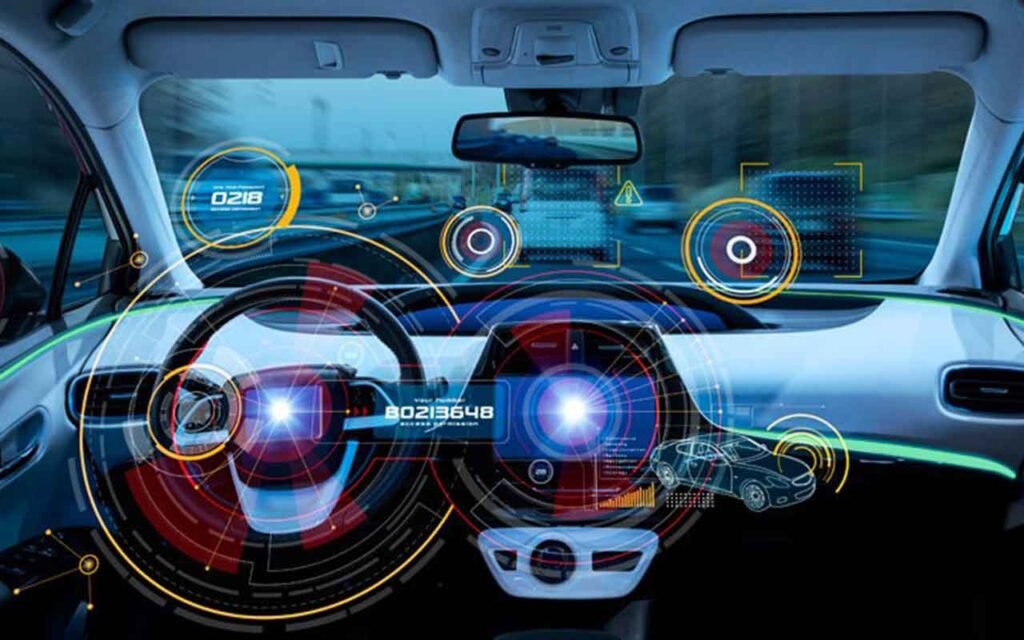
The transportation scenario is profoundly transformed, driven by advancements in electric vehicles and independent driving technologies. As urban populations grow more considerable and environmental worries intensify, the transformation towards sustainable and effective mobility solutions has never been more complicated.
The Rise of Electric Vehicles
Electric vehicles have quickly gained ground, with manufacturers developing unconventional battery technologies that improve range and reduce charging times. Innovations like Tesla’s Supercharger network and BYD’s electric buses are making EVs more reachable and pragmatic for daily use. This shift promises to lower greenhouse gas emissions and decrease dependency on fossil fuels, paving the way for cleaner urban settings.
The Autonomous Driving Revolution
Alongside, autonomous driving technology is changing how we think about mobility. Companies like Waymo and May Mobility are leading the charge in developing self-driving electric vehicles equipped with advanced sensors and AI. These vehicles can navigate complicated environments, enhancing safety and efficiency by reducing human error. Adding autonomous systems into public transportation can ease congestion, delivering combined mobility solutions for metropolises.
A Convergence for a Sustainable Future
As discussed in “MOBILITY 3.0: How to Win and Thrive in the Future of Passenger Transportation” by Leonardo C Gannio, the combination of electric and independent systems highlights an essential moment in transportation’s progress. By adopting these technologies, we can create a more sustainable, accessible, and user-friendly mobility ecosystem that parallels the demands of this generation. The future of mobility is not just about getting from point A to point B; it is about reimagining how we connect, travel, and live together in our urban environments.